
Loading...
Serving San Juan, TX and surrounding areas. (956) 676-0284
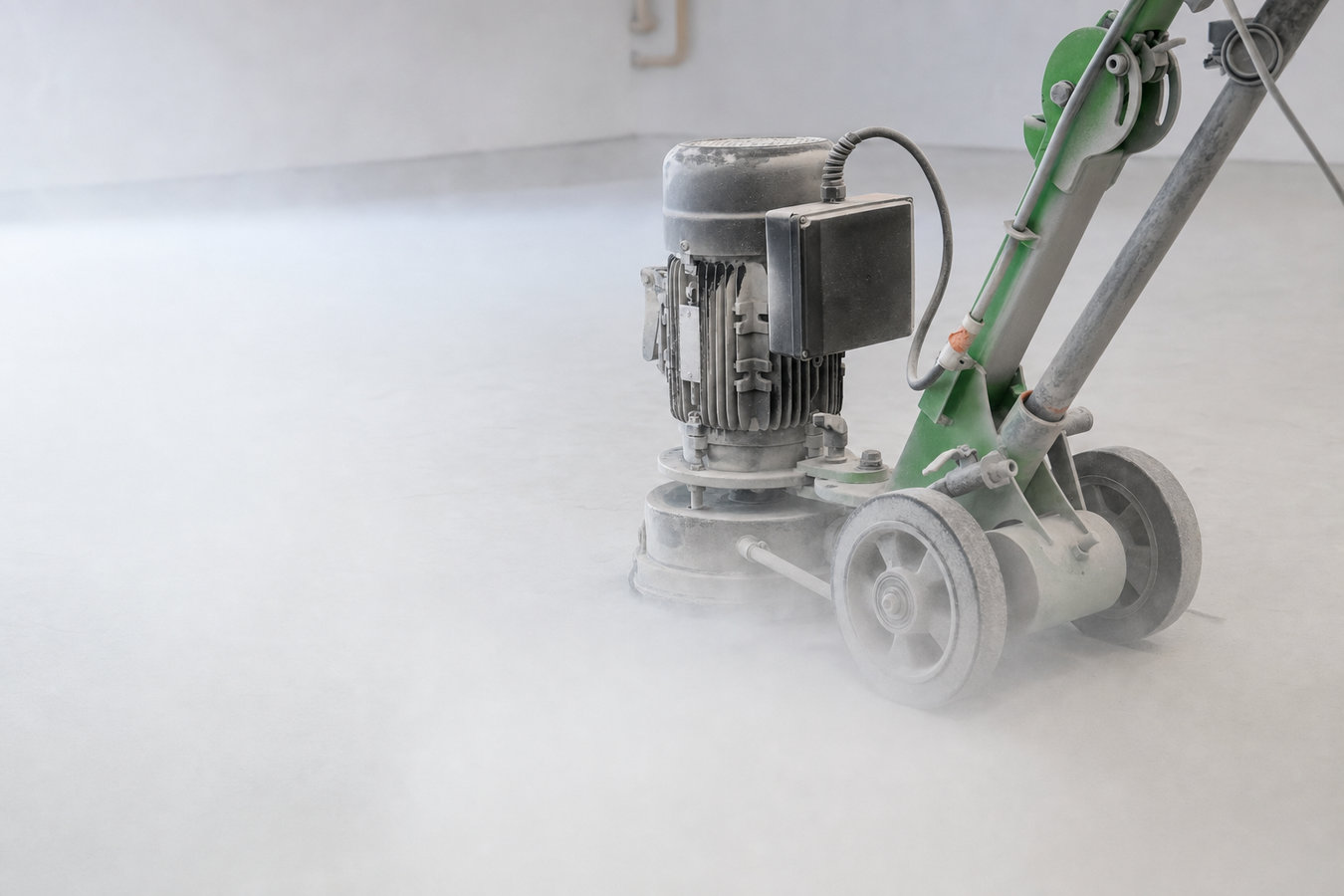
Old tile, failing epoxy, or adhesive residue left behind from a previous floor? We strip concrete floors back to bare slab so whatever goes down next actually bonds and stays put.
Concrete floor stripping in San Juan means removing an existing floor covering - tile, vinyl, epoxy coating, or paint - from the concrete slab underneath, most residential rooms take one to two days, and the old concrete slab stays in place.
Putting new flooring on top of a damaged or poorly bonded surface almost always causes the new material to fail - it bubbles, cracks, or peels within months. Stripping gives the new surface something solid and clean to bond to, and that is what makes the difference between a floor that holds up for years and one that has to be redone before you feel like you got your money's worth. Homeowners in San Juan most often call us when they are planning to install new tile, polished concrete, or an epoxy floor coating and the existing surface is in too poor a shape to coat over. San Juan's older housing stock - many homes built in the 1970s through 1990s - means stripping often involves removing multiple layers that accumulated over decades of renovation work.
We have been doing surface preparation work throughout the Rio Grande Valley since 2016. We know what the local humidity does to slabs between the stripping and the next installation, and we test moisture levels before wrapping up every job.
When floor tiles start popping up or vinyl develops bubbles and curling edges in more than one area, the bond between the flooring and the concrete has broken down. In San Juan's heat and humidity, this kind of failure is common - moisture works its way under the surface over time. Patching individual tiles rarely fixes the underlying problem; stripping and starting fresh usually does.
If you notice cracks running across your floor that seem to be getting longer or wider over time, the concrete slab itself may be shifting. This is especially common in San Juan homes built on the area's clay-heavy soil, which moves with the seasons. Stripping the old surface lets a contractor assess the slab directly and repair it properly before any new flooring goes down.
Old adhesive left behind from previous flooring jobs can become tacky over time, especially in warm climates. If walking across your floor feels slightly sticky or you notice raised ridges where old tile lines used to be, the surface is not clean enough for new flooring. Stripping removes that residue and gives you a flat, clean starting point.
In San Juan's humid climate, moisture can migrate up through concrete slabs - especially in older homes without proper vapor barriers. If you notice a persistent musty smell near the floor, or if you can see damp spots or a white chalky residue on the surface, stripping the floor lets a contractor assess the moisture situation and address it before it causes bigger problems.
We handle floor stripping for all the common scenarios in San Juan homes: removing old tile and the adhesive left behind, stripping failed epoxy coatings, taking off peeling paint or sealers, and clearing away multiple layers from homes that have been renovated more than once without ever fully removing the old floor. The method we use depends on what is being removed and what goes down next. Mechanical grinding is our standard approach - it is efficient and leaves the concrete in great condition for bonding. Chemical stripping is available for situations where grinding is not appropriate. Before we ever start, we inspect the floor in person, ask what you plan to install afterward, and explain which removal method we are recommending and why. For a complete surface preparation process that continues after stripping, our concrete grinding and surface preparation service picks up where stripping leaves off - profiling the slab so it is ready for whatever coating or flooring you have planned.
Dust control is part of every job. We use equipment with built-in vacuum systems to capture concrete dust at the source rather than letting it spread through your home. OSHA's silica dust standards exist because concrete dust carries real health risks with repeated exposure, and responsible contractors do not cut corners on this. After stripping, we walk the bare floor with you, point out what we found, and test moisture levels before we call the job done.
Best for San Juan homes with cracked, lifting, or outdated tile and adhesive residue that needs to come off cleanly before new flooring goes down.
Best for garages and interior spaces where a previous epoxy or paint coating has failed or needs to be replaced with a better system.
Best for older San Juan homes where previous owners installed new flooring on top of old multiple times, leaving a layered buildup that prevents proper bonding.
Best when the flooring itself has already been removed but sticky adhesive or leftover compound is still making the slab uneven or uncoatable.
San Juan has a significant number of homes built between the 1970s and 1990s, many of which have had flooring replaced once or twice without the old layers being fully removed. That means stripping a floor in an older San Juan home often involves removing multiple layers - tile on top of vinyl on top of old adhesive - which takes more time and costs more than a single-layer job. There is also an important safety consideration: homes built before 1985 sometimes used tile adhesives that contained asbestos. If your home is from that era and the original flooring is still in place, we recommend testing before any stripping begins. The EPA's asbestos information resources are a good starting point if you have questions about what this means for your specific situation. San Juan's clay-heavy soil also means cracking in the slab is common - once the old floor is stripped away, cracks that were hidden under the covering often become visible for the first time, and we discuss repair options with you before any new surface goes down.
We work with homeowners throughout San Juan and the surrounding area. If you are in Pharr, TX or Edinburg, TX, we cover those areas as well. The older housing stock, the clay soil conditions, and the humidity patterns are consistent across this part of the Valley - and so is our process: inspect in person, use the right removal method, handle dust control properly, and test moisture before finishing.
We will ask a few quick questions about the space - the size, what is currently on the floor, and what you are planning to install afterward. From there, we schedule a time to come see the floor in person before giving you a price. We never quote from photos alone - there are too many variables that only show up on-site.
During the visit, we look at what is being removed, check for cracks or damage in the concrete underneath, and ask about the age of the home. We also look for signs of moisture - a real concern in San Juan's humid climate. After the assessment, we give you a written estimate that explains exactly what is included.
Before the crew arrives, clear the room completely - furniture, rugs, appliances, everything. Let us know about any baseboards you want to preserve so we can work carefully around them. The machines are loud and produce dust even with vacuum attachments running, so plan for the room to be off-limits for the duration.
Once the old surface is removed, we walk the bare floor with you before packing up. We point out any cracks or residue found, discuss repair options if needed, and check moisture levels. In San Juan's humid climate, that drying window matters - we give you a clear picture of when the floor will be ready for the next phase.
We come see the space in person, tell you exactly what we find, and give you a written quote - no obligation, no pressure.
(956) 676-0284Floor stripping prices vary a lot depending on what is being removed and how many layers there are. A contractor who gives you a number over the phone without seeing the floor is guessing. We always visit the space first so we can give you a quote that reflects the actual job.
We use equipment with built-in vacuum systems to capture concrete dust at the source. Your living space should not look like a construction site when we leave - and protecting your family from silica dust during the work is something we take seriously, not an optional add-on.
San Juan's humidity means bare concrete holds moisture longer than in drier climates. We test moisture levels before finishing every job, and we give you an honest assessment of how long to wait before new flooring goes down. This step prevents the most common cause of new floor failure.
Homes built before 1985 in San Juan sometimes have tile adhesive that contains asbestos. We flag this upfront and recommend testing if there is any question. A contractor who strips an older floor without addressing this possibility is not looking out for you.
Good floor stripping work is not exciting - it is just thorough. But skipping steps here is exactly what causes the next floor to fail. We have been doing this kind of prep work throughout Hidalgo County since 2016, and we know that the quality of what comes next depends almost entirely on how well this part of the job was done. The American Society of Concrete Contractors sets professional standards for surface preparation that guide how we approach every stripping project.
After stripping to bare concrete, epoxy coatings give garages and interior floors a durable, easy-to-clean surface that bonds directly to a properly prepared slab.
Learn MoreContinues where stripping leaves off - profiling the bare slab surface so coatings and new flooring bond correctly and last.
Learn MoreWe are booking projects in San Juan and the surrounding Rio Grande Valley now - reach out today and we will get you on the schedule.